Published by Ruixiang Steel Group | July 2026
Introduction
As we enter the second half of 2026, the global steel industry stands at a critical inflection point. After months of consolidation and price softening, regional markets are showing divergent trajectories — the U.S. market continues its upward momentum, Europe stabilizes amid new trade regulations, and Asian markets navigate seasonal demand lulls. For international buyers, EPC contractors, and project developers, understanding these shifting dynamics is essential to optimizing procurement timing, managing costs, and securing reliable supply chains.
At Ruixiang Steel Group, we track global steel market movements daily to help our clients make data-driven sourcing decisions. This report breaks down the latest Q3 2026 trends, key regulatory changes, and practical procurement strategies for the months ahead.
1. Global Steel Price Overview: Divergence Across Regions
The global hot-rolled coil (HRC) market has entered a period of pronounced regional divergence in July 2026, defying the uniform downward trend seen earlier in the year.
United States: Sustained Price Recovery
The U.S. steel market has emerged as the strongest performer globally. As of mid-July 2026:
- Hot-rolled coil (HRC) EXW prices reached $1,287 per ton, rising 6.1% since mid-June
- Cold-rolled coil stands at $1,365/ton, with hot-dip galvanized products seeing even sharper gains of $102/ton week-over-week in mid-June
- Plate steel prices have climbed to $1,425/ton, supported by infrastructure spending and limited spot supply
This rally is driven by constrained spot market availability, stable construction demand, and production discipline among domestic mills. Major producers like Nucor have implemented targeted price increases for structural steel products, signaling confidence in near-term demand.
Europe: Stabilization Amid New Trade Regime
European steel prices have entered a consolidation phase following the July 1 launch of the EU’s new post-safeguard steel trade framework:
- Western European HRC prices edged up 0.7% to €695/ton EXW
- Southern European import offers held steady at €597.5/ton CIF
- Italian markets outperformed, with prices rising 3% to €695/ton EXW, buoyed by tighter import quota enforcement
The European Commission’s new Country-Specific Quota (CSQ) system allocates 18.35 million tons of annual tariff-free import quotas across 26 product categories. Half of these quotas are reserved exclusively for FTA partner countries, while the remaining half is open to all exporters on a first-come, first-served basis. This regime replaces the previous safeguard system and introduces greater complexity for non-FTA suppliers.
Asia & China: Seasonal Lull with Export Resilience
In China, the world’s largest steel producer, the summer off-season has dampened domestic demand, but export volumes have shown remarkable resilience:
- June 2026 steel exports reached 10.32 million tons, up 6.6% year-on-year
- H1 2026 total exports reached 54.87 million tons, with the year-on-year decline narrowing to just 5.6%
- Domestic inventory levels remain elevated, with 45-port iron ore stocks hitting historical highs of 167 million tons
This “weak domestic, strong export” dynamic has kept Chinese export prices competitive. As of mid-year, Chinese HRC FOB prices remain approximately $70–100/ton below Japanese and Turkish equivalents, preserving a clear price advantage for international buyers.
2. Key Market Drivers Shaping H2 2026
Regulatory Headwinds: Trade Barriers on the Rise
2026 has seen an acceleration of protectionist measures across major steel-consuming regions:
- EU CBAM full implementation: The Carbon Border Adjustment Mechanism adds an estimated 8–12% to import costs for carbon-intensive steel products
- UK steel strategy: Import quotas cut by 60% with out-of-quota tariffs raised to 50%, targeting a 50% domestic self-sufficiency rate
- Multi-country anti-dumping actions: The U.S., Japan, South Korea, and South Africa have all initiated new trade remedy investigations covering HRC, galvanized steel, wire rod, and welded pipe
Demand Outlook: Modest Global Growth
According to industry forecasts, global steel demand is projected to grow by 1.3% in 2026, reaching 1,773 million tons. Growth is concentrated in:
- Southeast Asia: Infrastructure spending and manufacturing expansion
- Middle East: Ongoing construction megaprojects and energy sector investment
- North America: Infrastructure renewal and automotive sector recovery
Notably, indirect steel exports — steel embedded in machinery, equipment, and fabricated structures — now account for over 60% of China’s total steel outflow, reflecting a structural shift from raw material export to value-added product supply.
Raw Material Dynamics
Iron ore markets remain well-supplied in H1 2026, with Chinese imports up 7.1% year-on-year through May. However, geopolitical risks in the Middle East continue to create volatility in freight rates. The temporary disruption to Strait of Hormuz shipping earlier this year pushed Brazil-China iron ore freight rates to $37.7/ton at their peak, demonstrating how quickly logistics costs can erode procurement savings.
3. Strategic Procurement Recommendations for Q3-Q4 2026
Based on current market conditions, Ruixiang Steel Group advises international buyers to consider the following strategies:
Lock in Pricing for Q4 Delivery
The window for low-cost procurement appears to be narrowing. With U.S. prices already rising and European markets stabilizing, contracts signed in late Q3 may face significant raw material surcharges compared to Q2 benchmarks. For projects with delivery schedules in Q4 2026 or Q1 2027, securing firm-price quotations now can mitigate upward price risk.
Diversify Supply Sources by Region
Given the patchwork of trade regulations and quota systems, relying on a single supply origin carries increasing compliance risk. Buyers should map tariff schedules, quota utilization rates, and CBAM exposure across candidate suppliers to optimize landed cost.
Prioritize Supply Chain Reliability Over Spot Price
In a market where logistics disruption and trade policy changes can delay deliveries by weeks, supplier reliability matters more than ever. Working with established exporters with proven track records in documentation, customs compliance, and flexible shipping arrangements reduces the risk of port delays and unexpected duty charges.
Consider Indirect Procurement for High-Tariff Markets
For projects in the EU, UK, and other high-tariff jurisdictions, sourcing fabricated steel components rather than raw material can sometimes reduce effective duty exposure while adding manufacturing value. This approach is particularly relevant for structural steel, pipe spools, and custom plate fabrication.
4. Ruixiang Steel Group: Your Partner in Global Steel Sourcing
Navigating today’s complex global steel market requires more than just competitive pricing — it demands expertise in international trade compliance, logistics optimization, and quality assurance. As a leading Chinese steel exporter with years of experience serving markets across Southeast Asia, the Middle East, Africa, and the Americas, Ruixiang Steel Group delivers end-to-end steel supply solutions.
Our Product Range
- Flat products: Hot-rolled coil, cold-rolled coil, galvanized steel, PPGI, steel plate
- Long products: Rebar, wire rod, angle steel, channel steel, H-beams, I-beams
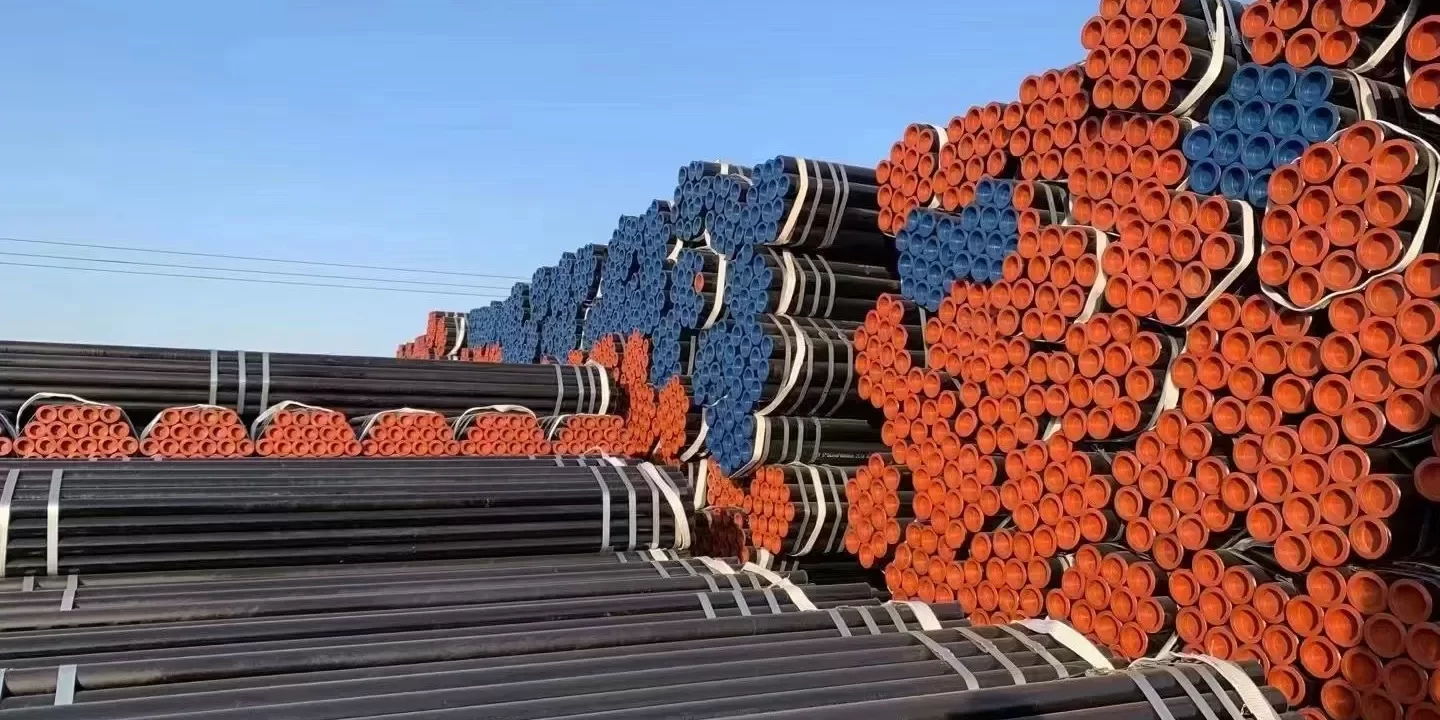
- Tubular products: Seamless pipe, welded pipe, galvanized pipe, square/rectangular tube
- Custom processing: Cutting, bending, drilling, galvanizing, and fabrication to project specifications
Why Clients Choose Ruixiang Steel Group
- Competitive pricing backed by direct mill partnerships and volume purchasing
- Rigorous quality control with third-party inspection available for all orders
- Expert trade compliance support, including full documentation for customs and quota administration
- Flexible payment terms and tailored logistics solutions (FOB, CIF, CFR, DDP)
- Fast quotation response — typically within 24 hours of receiving your RFQ
Conclusion
The second half of 2026 presents both challenges and opportunities for global steel buyers. While trade regulations grow more complex and regional price paths diverge, the current pricing environment — particularly for Asian-origin steel — remains favorable for forward-planning procurement. The key is to act decisively before seasonal demand recovery and supply-side adjustments push prices higher.
Whether you are sourcing steel for a construction project, manufacturing operation, or infrastructure development, Ruixiang Steel Group is ready to provide you with accurate pricing, reliable delivery, and expert guidance through every step of the international procurement process.
Request a free quotation today and experience the difference of working with a steel supplier that understands both the global market and your specific project needs.
Ruixiang Steel Group — Quality Steel, Global Reach, Reliable Delivery.
-
Website: www.ruixiangsteelgroup.com
-
Email: sales@ruixiangsteelgroup.com
-
WhatsApp / Phone: 8613964179367